
Effective treatments and surgical options for thumb CMC arthritis
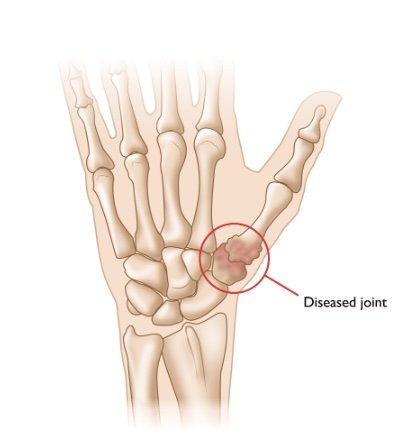
Thumb carpometacarpal (CMC) arthritis is a common condition that causes pain and limits hand function. It affects the joint at the base of the thumb, where the metacarpal bone meets the trapezium bone of the wrist. This joint plays a crucial role in thumb movement, especially gripping and pinching. When arthritis develops here, everyday tasks like opening jars, turning keys, or holding a pen can become difficult and painful.
Understanding the available treatments and surgical options can help those affected manage symptoms and maintain hand function. This post explores effective approaches to treating thumb CMC arthritis, from conservative care to surgery.
Symptoms and Diagnosis of Thumb CMC Arthritis
People with thumb CMC arthritis often experience:
Pain at the base of the thumb, especially during gripping or pinching
Swelling and tenderness around the joint
Reduced thumb strength and range of motion
A grinding or popping sensation when moving the thumb
Doctors diagnose this condition through physical exams and imaging tests such as X-rays. X-rays reveal joint space narrowing, bone spurs, and changes in bone shape that confirm arthritis.
Non-Surgical Treatments to Manage Symptoms
Many patients find relief with non-surgical treatments, especially in early stages. These options aim to reduce pain, improve function, and slow arthritis progression.
Splinting and Bracing
Wearing a thumb splint or brace helps stabilize the joint and reduce stress during activities. Splints come in various designs, from soft sleeves to rigid supports. Using a splint during tasks that cause pain can ease discomfort and protect the joint.
Medications
Over-the-counter pain relievers like acetaminophen or nonsteroidal anti-inflammatory drugs (NSAIDs) such as ibuprofen can reduce pain and inflammation. In some cases, doctors may recommend corticosteroid injections directly into the joint to provide temporary relief.
Physical and Occupational Therapy
Therapists teach exercises to strengthen the muscles around the thumb and improve joint stability. They also suggest activity modifications and ergonomic tools to reduce strain. For example, using jar openers or pens with larger grips can make daily tasks easier.
When Surgery Becomes Necessary
If non-surgical treatments fail to control pain or if arthritis severely limits thumb function, surgery may be considered. Surgery aims to relieve pain, restore motion, and improve hand strength.
Common Surgical Options for Thumb CMC Arthritis
Several surgical procedures address thumb CMC arthritis. The choice depends on arthritis severity, patient age, activity level, and surgeon expertise.
Trapeziectomy
This procedure removes the trapezium bone, which forms the base of the thumb joint. Removing this bone eliminates the arthritic surface causing pain. The space left behind may be filled with a tendon graft to provide support.
Trapeziectomy is one of the most common surgeries for thumb CMC arthritis and has a high success rate in reducing pain and improving function.
Ligament Reconstruction and Tendon Interposition (LRTI)
LRTI combines trapeziectomy with reconstruction of the ligaments that stabilize the thumb. A tendon from the forearm or wrist is used to replace the removed bone and support the joint. This technique helps maintain thumb stability and strength.
Recovery and Rehabilitation After Surgery
Recovery time varies depending on the procedure. Most patients wear a splint or cast for several weeks to protect the thumb. Physical therapy begins soon after surgery to restore motion and strength.
Patients typically regain significant function within 3 to 6 months. Following the surgeon’s rehabilitation plan is essential for the best outcome.
Making the Right Treatment Choice
Choosing the best treatment depends on individual factors such as:
Severity of arthritis and symptoms
Age and activity level
Personal goals and lifestyle
Response to previous treatments
Discussing options with a hand specialist helps tailor a plan that balances pain relief, function, and recovery time.